Transcranial Magnetic Stimulation Therapy
What Is Transcranial Magnetic Stimulation
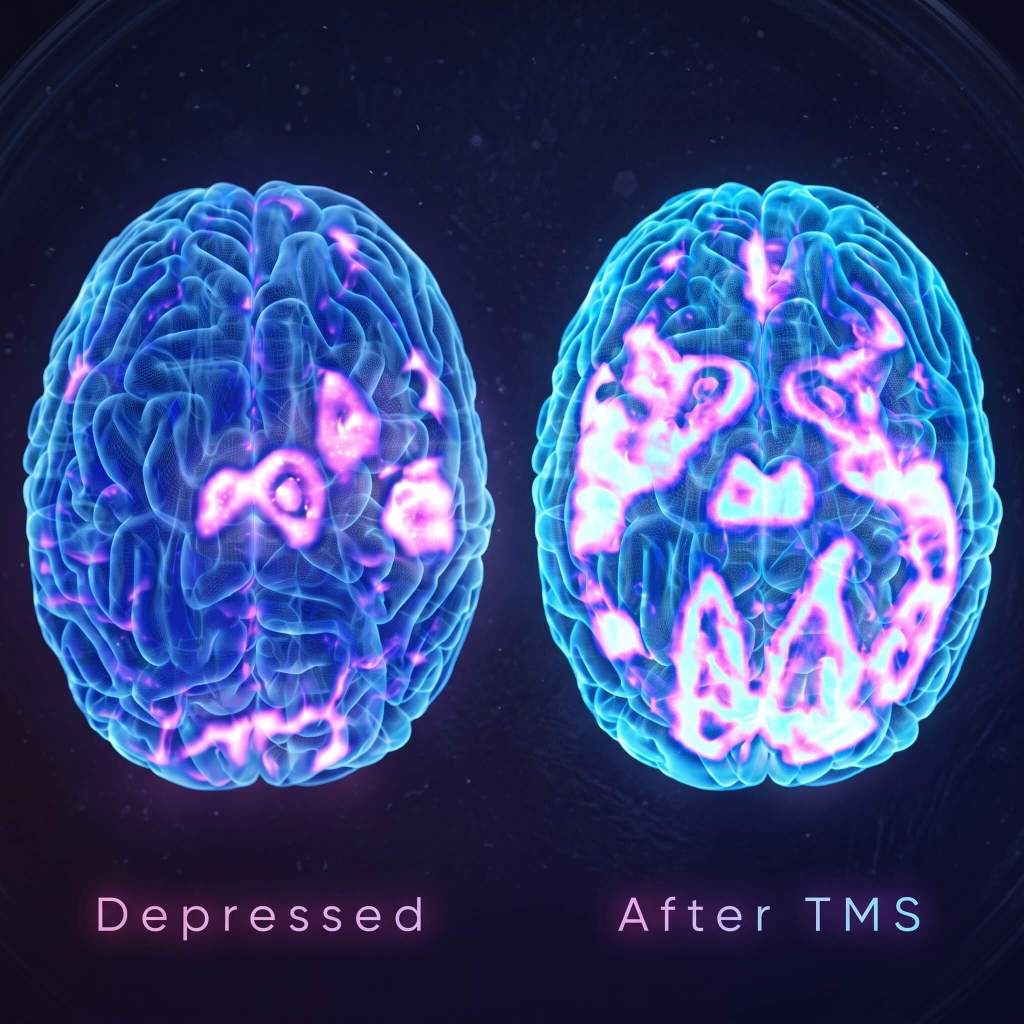
Transcranial Magnetic Stimulation (TMS) is a non-surgical, non-invasive form of brain stimulation that uses magnetic pulses to target specific areas of the brain involved in mood regulation. Unlike medications or electroconvulsive therapy (ECT), Transcranial Magnetic Stimulation does not require anesthesia and does not cause seizures or memory loss.
Approved by medical authorities for use in major depressive disorder and as an option when medications have not worked well, Transcranial Magnetic Stimulation offers a scientifically grounded alternative to support mood improvement and mental-health outcomes.
How Transcranial Magnetic Stimulation Works
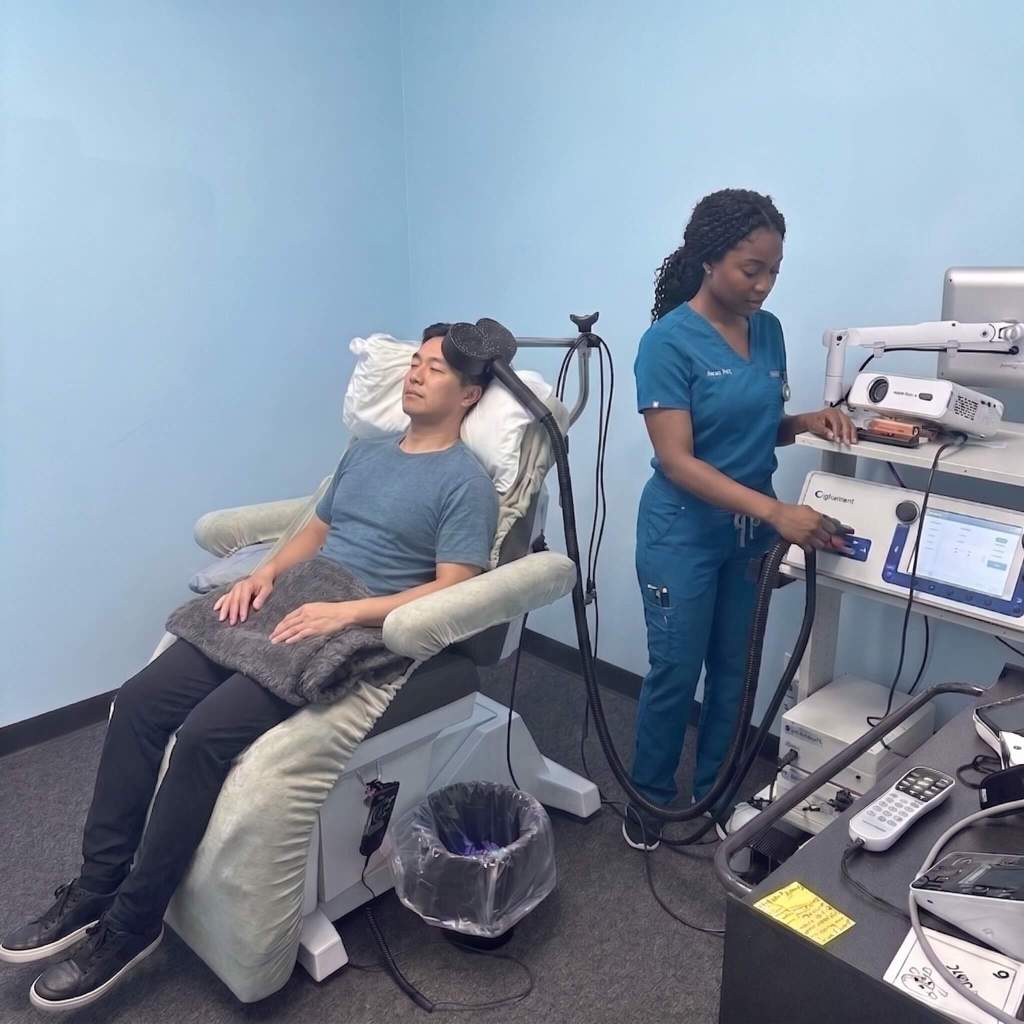
During Transcranial Magnetic Stimulation sessions, a specialized coil is placed near the scalp. The device emits brief magnetic pulses that pass through the skull and stimulate nerve cells in regions of the brain associated with mood and emotional processing.
Sessions generally last about 20–40 minutes and are typically administered daily (five days per week) over several weeks. Most patients can resume normal activities immediately after treatment, as it does not require sedation or recovery time.

Who Transcranial Magnetic Stimulation May Help
Transcranial Magnetic Stimulation is most often recommended for individuals who:
- Have struggled with depression symptoms despite trying medications.
- Are seeking non-medication options or want to avoid the side effects associated with pharmacotherapy.
- Prefer a non-invasive treatment that does not require anesthesia.
It may also be considered as part of a broader treatment plan that includes psychotherapy and medication management.
Benefits of Transcranial Magnetic Stimulation
- Non-invasive and well-tolerated: TMS does not require surgery or anesthesia and rarely causes serious side effects.
- Daily routine friendly: Most people return to their usual day immediately after a session.
- Targeted stimulation: Transcranial Magnetic Stimulation precisely targets brain areas linked to mood regulation, potentially improving depressive symptoms.
- Works with other therapies: TMS can be combined with psychotherapy, medication management, or holistic care.
Safety and Side Effects
Transcranial Magnetic Stimulation is generally considered safe, but some people may experience mild, temporary side effects such as:
- Headache or scalp discomfort during or after sessions.
- Tingling or light-headedness that typically dissipates quickly.
Serious side effects, such as seizures, are very rare but may occur in individuals with specific risk factors. Your clinician will review your medical history to ensure TMS is appropriate for you.
Who Should Avoid TMS?
TMS is not for everyone. You may not be a good fit if you have:
- Certain types of brain injury
- Metal implants in or near your head
- A history of seizures
A full medical check is done before starting therapy to make sure it’s safe for you.
Why Choose Health Haven for Transcranial Magnetic Stimulation
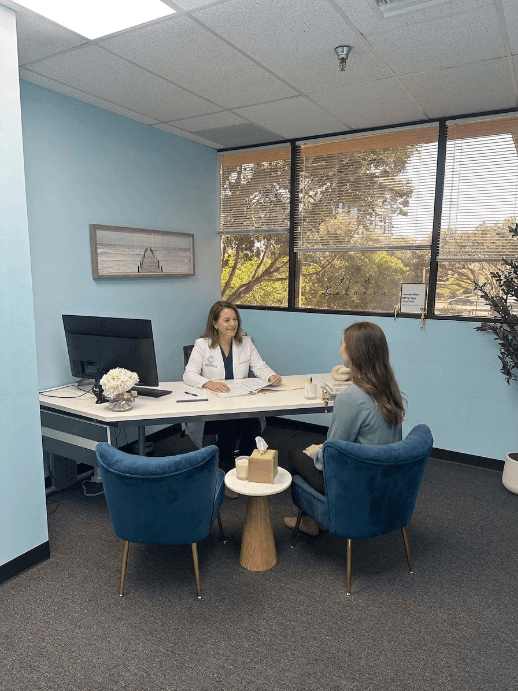
At Health Haven, we provide compassionate, personalized Transcranial Magnetic Stimulation care with a focus on comfort and effectiveness. Our approach includes:
- A detailed assessment to determine if TMS is right for you
- Collaboration with your mental-health team for tailored treatment planning
- Monitoring of response and adjustment of protocols as needed
- A supportive environment focused on your progress and well-being
Transcranial Magnetic Stimulation is one of several advanced therapeutic options we offer for individuals seeking alternative or complementary approaches to traditional medication and talk therapy.
How TMS Differs From Other Brain Therapies
Unlike electroconvulsive therapy (ECT), TMS does not require anesthesia or cause memory loss. It’s gentler and easier to manage. You don’t need to stay in a hospital. You also avoid the stronger side effects tied to ECT or some long-term drugs.
Insurance and TMS Therapy
Many insurance plans now cover TMS therapy. You may need proof that other treatments didn’t work. At Health Haven, our team can help you check your benefits and guide you through the approval steps.
How We Help at Health Haven
At Health Haven, we offer TMS therapy in a safe, supportive space. Our licensed providers use updated technology and custom care plans. We aim to help people feel better without relying only on medication. We treat both common and complex mental health issues, offering care for depression, anxiety, OCD, and more.
Success Stories
Many patients report feeling hopeful again after TMS. Some notice a lift in mood in just a few weeks. Others say they can sleep better and focus more during the day. While results vary, the success of TMS is real for many.
Start Your Transcranial Magnetic Stimulation Journey
- TMS is a safe, drug-free therapy for depression and other mental health issues.
- The sessions are short and don’t require time off from work or school.
- Most people feel better in a few weeks.
If you’ve struggled with depression symptoms and want to explore non-invasive, evidence-supported options, Transcranial Magnetic Stimulation may be a promising step. Contact Health Haven to schedule a consultation and learn whether TMS fits your personalized care plan.