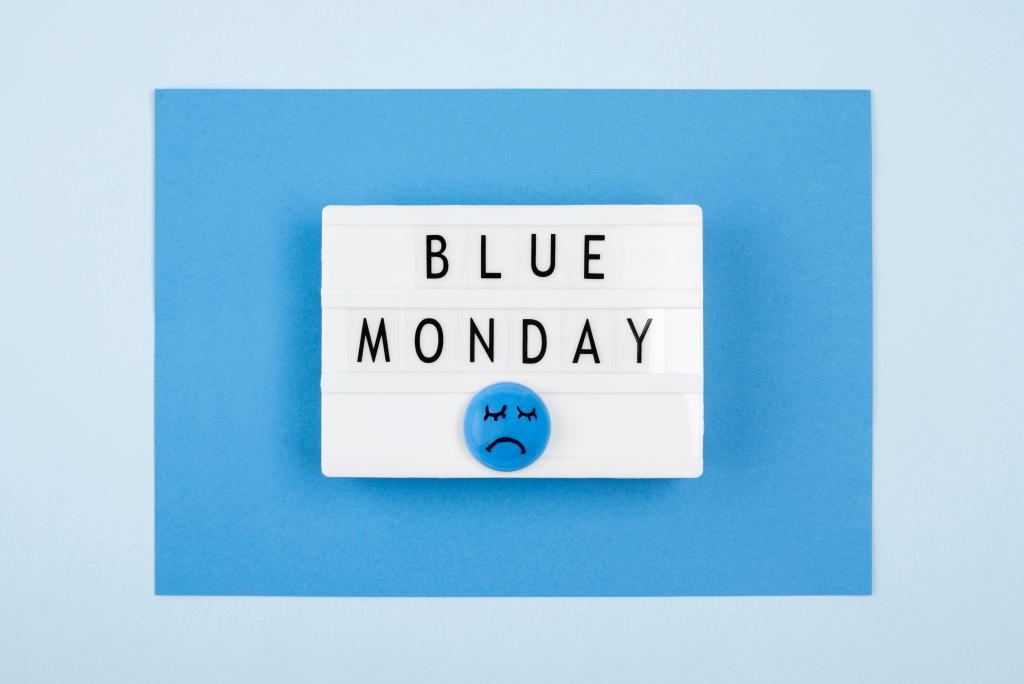
Every January, the term Blue Monday resurfaces in conversations about mental health. Often referred to as the “saddest day of the year,” Blue Monday typically falls on the third Monday of January. While the idea began as a marketing concept, it has opened important discussions about seasonal mood changes, emotional well-being, and mental health awareness.
What Is Blue Monday?
Blue Monday is associated with a combination of factors that many people experience in January, including colder weather, shorter daylight hours, post-holiday fatigue, financial stress, and unmet New Year’s resolutions. Together, these elements can contribute to low mood, lack of motivation, and emotional exhaustion.
Although Blue Monday is not a clinical diagnosis, the feelings associated with it are very real for many individuals.
Why January Can Feel Emotionally Challenging
January often represents a return to routine after the holidays. The excitement of celebrations fades, and responsibilities quickly return. Reduced sunlight during winter months can also affect the body’s internal clock and serotonin levels, which play a role in mood regulation.
For some people, these seasonal changes may trigger symptoms similar to seasonal affective disorder (SAD) or worsen existing anxiety or depression.
Common Feelings Associated With Blue Monday
People experiencing the effects often report:
- Low energy or fatigue
- Decreased motivation
- Feelings of sadness or emptiness
- Difficulty concentrating
- Increased stress or anxiety
These experiences can vary in intensity and duration, but they highlight the importance of checking in with mental health during this time of year.
Healthy Ways to Support Mental Health on Blue Monday
While Blue Monday can feel overwhelming, there are ways to support emotional well-being during this time:
Prioritize light and movement: Exposure to natural light and gentle physical activity can help boost mood and energy.
Set realistic goals: Instead of focusing on perfection, break goals into small, achievable steps.
Stay socially connected: Reaching out to friends, family, or support groups can reduce feelings of isolation.
Practice self-compassion: Allow space for rest and acknowledge that seasonal lows are common.
When to Seek Professional Support
If feelings of sadness, anxiety, or low motivation persist beyond January or interfere with daily life, professional mental health support can help. Therapy and psychiatric services offer tools to manage seasonal mood changes and underlying mental health conditions.
How Health Haven Supports Mental Health Year-Round
At Health Haven, we recognize that mental health challenges don’t follow a calendar. Our compassionate team provides evidence-based mental health care tailored to individual needs, helping patients navigate seasonal mood changes, anxiety, depression, and more.
Whether you’re experiencing the effects of Blue Monday or ongoing mental health concerns, support is available—and you don’t have to face it alone.
Turning Blue Monday Into Mental Health Awareness
Rather than focusing on the idea of a single “sad day,” Blue Monday can serve as a reminder to prioritize mental health, practice self-care, and seek support when needed. Small steps taken today can lead to meaningful improvements in emotional well-being throughout the year.