
October marks the start of fall in Florida. While the Sunshine State doesn’t face snow or harsh winters, the seasonal transition still brings noticeable changes. Shorter days, holiday stress, and subtle weather shifts can influence mood and energy. For some, these changes can trigger Seasonal Affective Disorder (SAD)—a type of depression linked to seasonal patterns.
Even in Florida, where sunlight is more abundant than in northern states, people are not immune to the effects of SAD. The National Institute of Mental Health (NIMH) reports that about 5% of U.S. adults experience SAD each year, and symptoms can last nearly half the year. Women are affected more often than men, and symptoms often begin in young adulthood.
What Is Seasonal Affective Disorder (SAD)?
SAD is a form of depression that usually starts in the fall and continues through the winter months, when daylight is shorter. Although milder in Florida, the condition still impacts residents who may notice increased fatigue, irritability, or changes in their sleep and eating patterns as fall progresses.
Signs of Seasonal Affective Disorder
Common symptoms to watch for include:
- Persistent sadness, hopelessness, or low mood
- Decreased energy and motivation
- Oversleeping or struggling to maintain a sleep routine
- Changes in appetite, especially craving carbs or sugary foods
- Withdrawing from family, friends, or activities
- Difficulty concentrating or making decisions
If these symptoms continue beyond just a few days of “feeling off,” they may signal Seasonal Affective Disorder rather than typical seasonal mood changes.
Coping Strategies for SAD in Florida
The good news is that there are proven ways to ease SAD symptoms:
- Maximize Sunlight: Take advantage of Florida’s fall sunshine—spend time outdoors in the morning or early afternoon.
- Stay Physically Active: Regular movement boosts energy and reduces depressive symptoms.
- Maintain Healthy Routines: Consistent sleep, balanced nutrition, and daily structure support mental health.
- Therapy and Counseling: Talking to a professional provides tools for managing seasonal mood changes.
- Light Therapy: In some cases, special light boxes can help regulate circadian rhythms.
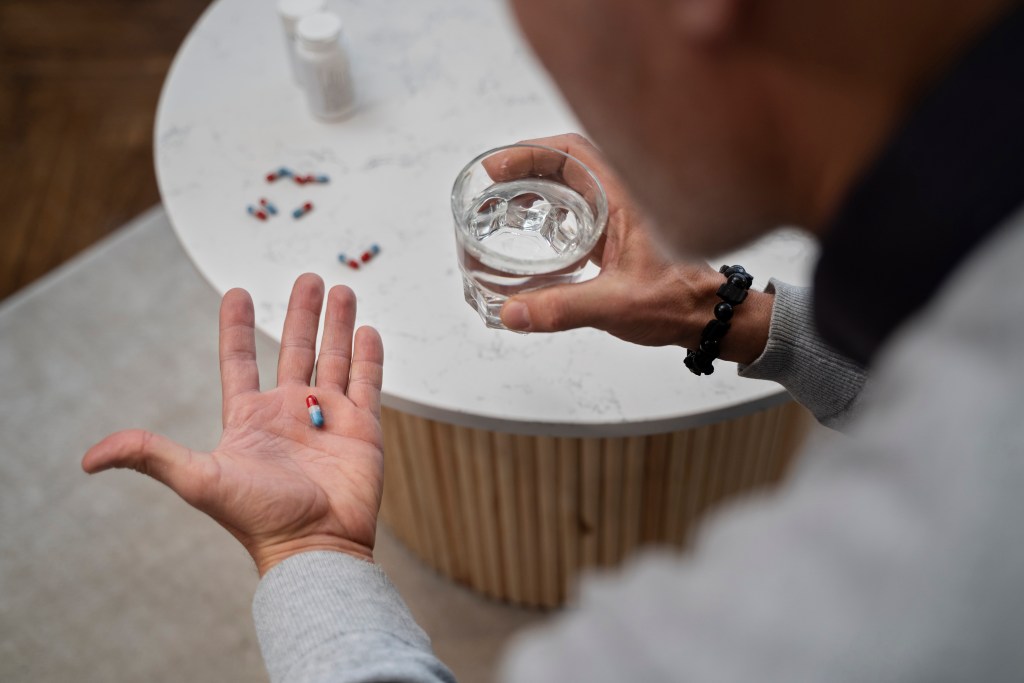
- Medication: A psychiatrist may recommend medication if symptoms are severe or persistent.
How Health Haven Can Help
At Health Haven, we understand that even in Florida, mental health challenges like Seasonal Affective Disorder are real and deserve compassionate care. Our team of therapists and psychiatrists provides:
- Personalized evaluations to determine if SAD or another condition is affecting you
- Evidence-based therapy to build coping skills and resilience
- Medication management when appropriate
- Telehealth options so you can access care from anywhere in Florida—even if seasonal fatigue makes traveling harder
Our goal is to ensure you don’t have to face seasonal depression alone. With the right support, you can enjoy fall and winter while protecting your mental well-being.
Final Takeaway
Seasonal Affective Disorder may be more commonly associated with snowy states, but it can affect Floridians too. As October brings fall changes, it’s important to recognize the signs and seek help early.
At Health Haven, we’re here to guide you through every season with personalized mental health care—because your well-being matters year-round.