Mental health awareness is strongest when it begins early and is supported by the entire community. Across Florida—especially in growing, diverse communities like West Palm Beach—there is increasing recognition that youth and community engagement play a vital role in promoting emotional well-being, reducing stigma, and improving access to mental health education and care.
Why Youth Mental Health Engagement Matters
Children, teens, and young adults face unique challenges that can affect their mental health, including academic pressure, social media influence, family stress, and identity development. When mental health education is introduced early, young people are better equipped to understand their emotions, recognize when they need help, and develop healthy coping skills.
Engaging youth in mental health conversations helps normalize emotional struggles and empowers them to seek support without fear or shame.
The Power of Community-Based Mental Health Education
Mental health does not exist in isolation—it is shaped by families, schools, neighborhoods, and community systems. Community-based wellness education creates shared understanding and collective responsibility for mental well-being.
Workshops, school programs, wellness events, and local initiatives help bridge the gap between awareness and action by:
- Teaching coping and stress-management skills
- Providing information about local mental health resources
- Encouraging open, judgment-free conversations
- Reducing stigma around seeking professional help
When communities come together, mental health support becomes more accessible and inclusive.
Youth-Led Initiatives and Peer Support
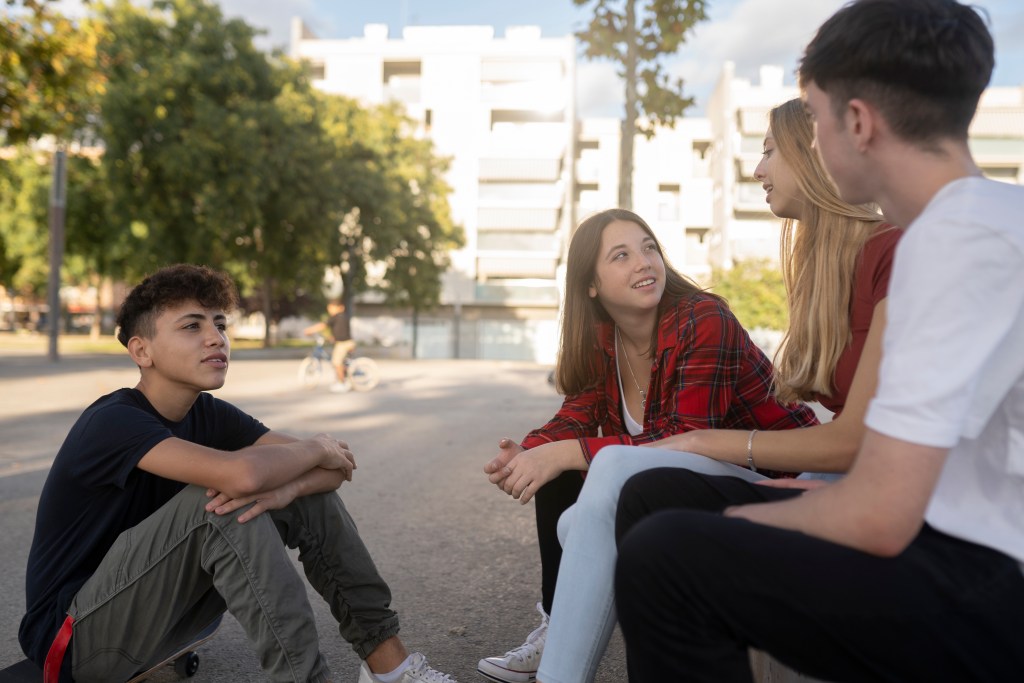
Youth engagement is especially powerful when young people are involved in leading conversations and initiatives. Peer-led programs, mental health expos, and student organizations allow youth to connect with one another and share experiences in relatable ways.
Peer support fosters connection, validation, and trust—key components of emotional healing and resilience.
Wellness Education as Prevention
Wellness education focuses on proactive mental health care rather than crisis response alone. Teaching youth and community members about emotional regulation, healthy routines, self-care, and stress management can help prevent more serious mental health challenges later on.
Wellness education encourages habits such as:
- Prioritizing sleep and balanced nutrition
- Engaging in physical activity
- Practicing mindfulness and emotional awareness
- Building healthy relationships and boundaries
These skills support long-term mental and emotional well-being.
The Role of Schools, Families, and Providers
Schools, families, and mental health providers all play important roles in youth and community mental health engagement. When these groups collaborate, they create stronger support systems for individuals at every stage of life.
Mental health providers offer professional guidance and treatment, while families and educators help reinforce understanding and support in daily life.
Health Haven’s Commitment to Community Wellness
At Health Haven, we believe mental health care extends beyond clinical settings. Supporting youth and community wellness through education, engagement, and accessible services is essential to building healthier communities.
By promoting awareness, encouraging early intervention, and connecting individuals to care, Health Haven helps support emotional well-being across Florida communities.
Building a Healthier Future Together
Youth and community mental health engagement is an investment in the future. When young people feel supported and communities are educated, individuals are more likely to thrive emotionally, socially, and mentally.
Through continued education, open dialogue, and access to care, we can create environments where mental health is prioritized—and where healing and hope are possible for everyone.